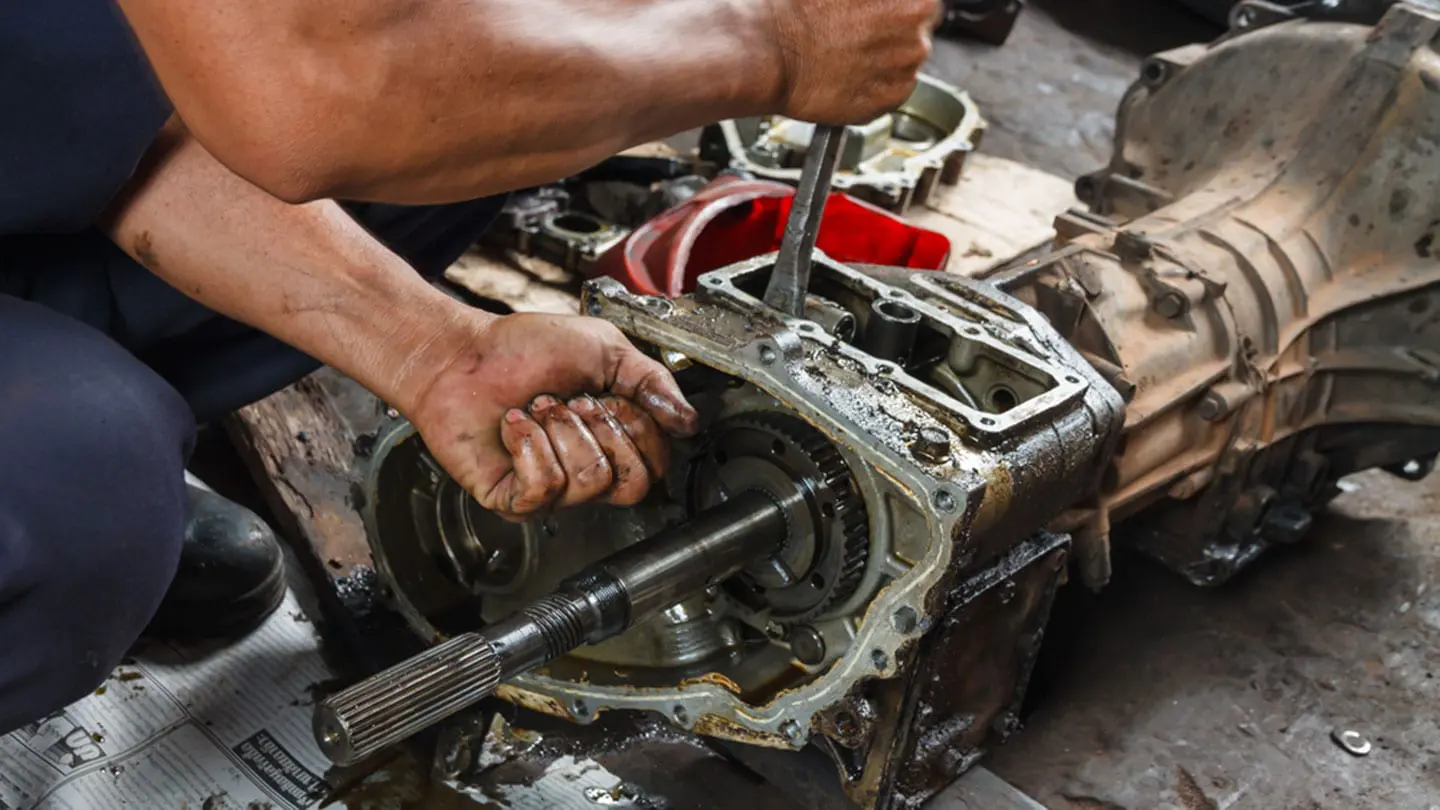
Here Are The Need-To-Know Facts About Transmission Repair
When it comes to automobiles, many people do not have the specialized knowledge necessary to provide major repairs to their own vehicles. This means that they may not even realize when there’s a transmission problem or understand how to deal with it. Unfortunately, this is a dangerous problem that could cause harm to you and your vehicle if it’s not fixed soon. In order to educate the public, we’ve taken the time to put together a few questions and answers that should help shed some light on the topic of transmission repair!
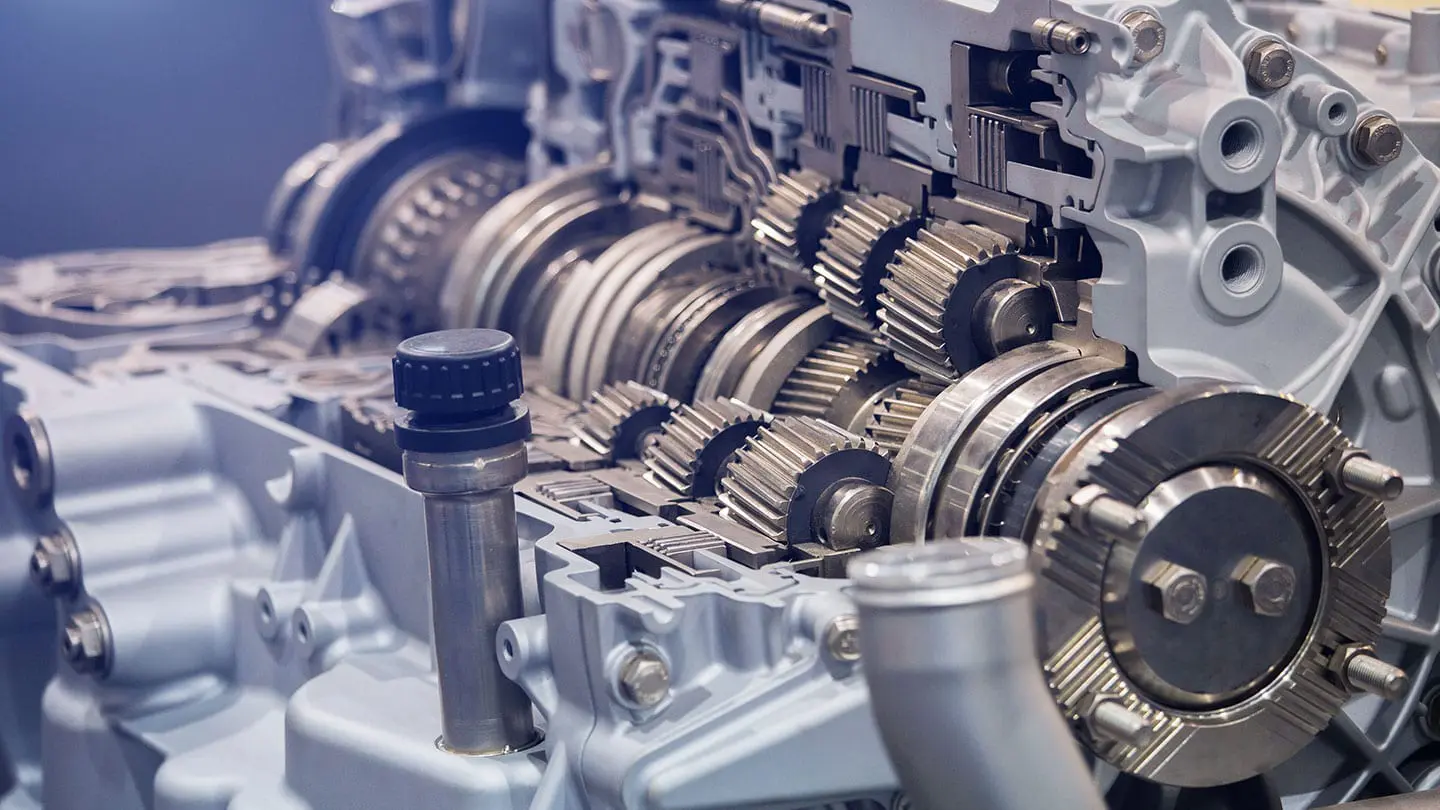
Modern transmissions are complex systems made up of hydraulic components, electronic controls, clutch packs, torque converters, and precision gears. Because of this complexity, small issues can escalate quickly if ignored. Unexpected breakdowns also increase roadside safety risks, which is why early diagnosis and preventative maintenance are essential for drivers in Maryville, IL and surrounding communities.
Do I Have a Transmission Problem?
There are quite a few things that can be going wrong if you have a transmission problem, but they’re all quite noticeable. The most subtle is that you’re leaking transmission fluid – this indicates a problem, but you may not notice this for a few days. Another symptom is problems changing or shifting gears or problems staying in gear once the vehicle has shifted. You may also notice a lough hissing or whining noise as the vehicle accelerates – this is another tell-tale sign of a transmission problem.
Additional warning signs include delayed engagement when shifting into drive or reverse, slipping gears during acceleration, a burning smell caused by overheated transmission fluid, or a dashboard warning light. Transmission fluid is typically red or pink when clean. If it appears dark brown or smells burnt, it may indicate overheating or internal wear.
Driving conditions common in Maryville — including stop-and-go traffic, towing, and seasonal temperature fluctuations — can increase strain on transmission components. If you notice any of these symptoms, scheduling a diagnostic inspection promptly can help prevent more extensive damage.
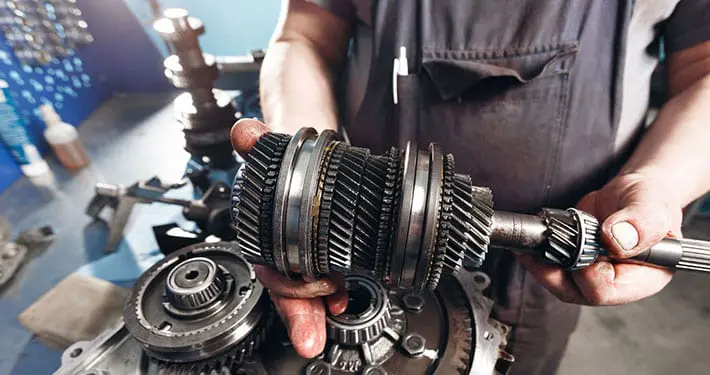
How Often Should My Transmission Be Inspected?
It’s best to have your entire vehicle inspected, regularly, by a trained professional. This will include diagnostics, and lift tests to ensure your vehicle is running on all cylinders. However, it’s truly only necessary to have the transmission inspected if you leaking fluid, you’ve noticed problems or it’s part of your regular scheduled maintenance.
Even if no symptoms are present, preventative inspections during routine maintenance can identify issues early. Many manufacturers recommend transmission service intervals between 30,000 and 60,000 miles under severe driving conditions, though the exact interval depends on your vehicle’s make and model. Always consult your owner’s manual for manufacturer-specific recommendations.
During a professional inspection, technicians may evaluate fluid condition, scan for transmission-related diagnostic codes, test hydraulic pressure, and perform a road test to confirm any concerns. Early detection often reduces repair costs compared to waiting for a full transmission failure.
Should I Drive With a Bad Transmission?
No. While it’s entirely possible that your vehicle will still run with a bad transmission, it’s a dangerous move. This could cause your vehicle to break down in the middle of a busy road, causing harm to you and other drivers.
Driving with slipping gears, overheating fluid, or erratic shifting can also cause further internal damage. What may begin as a minor component issue can escalate into major internal failure requiring a rebuild or replacement. If your vehicle hesitates, struggles to stay in gear, or feels unpredictable, limiting driving and arranging professional service is the safest choice.
How Frequently Should Transmission Fluid Be Changed?
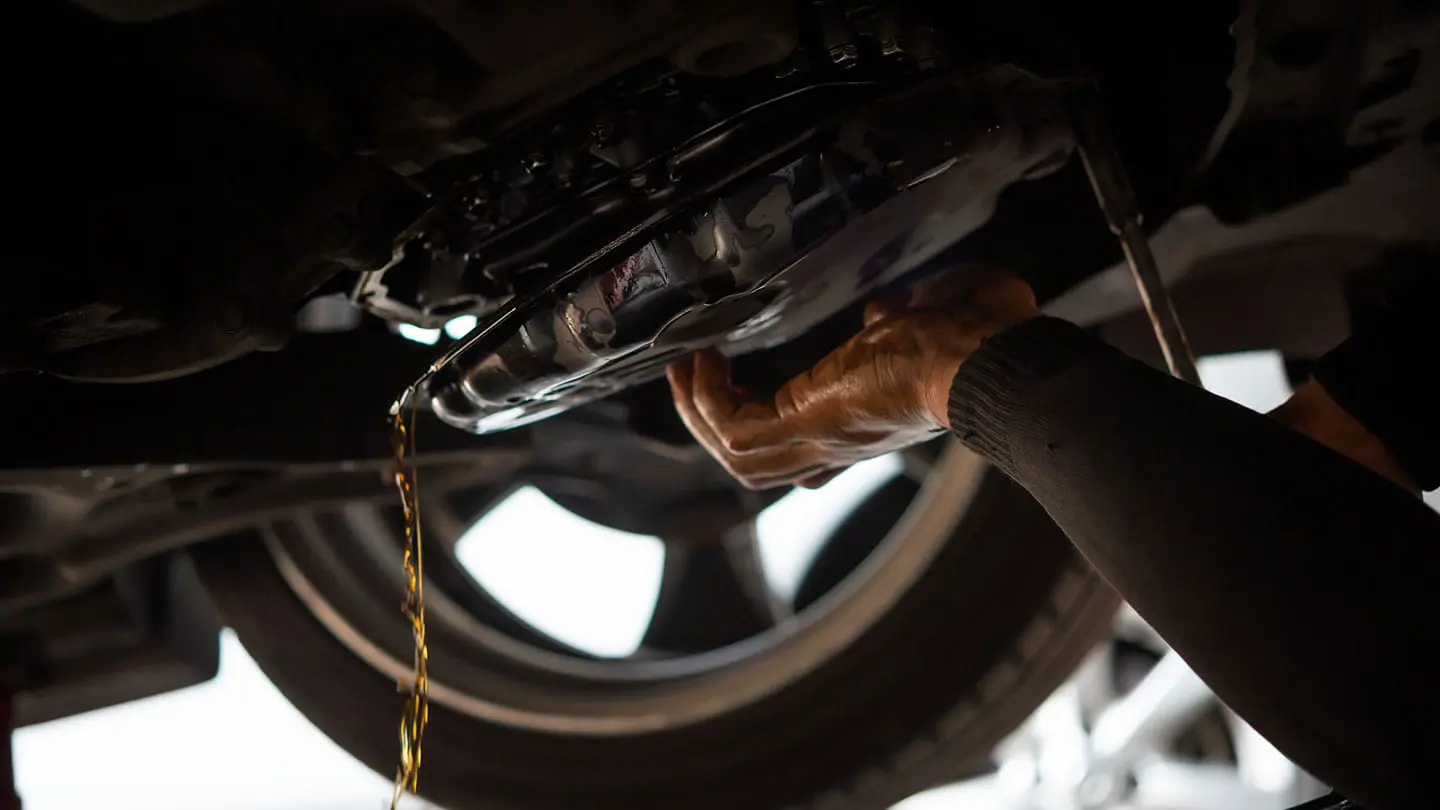
You should change your transmission fluid every 3 years or 36,000 miles. However, this is just a round number – it’s important to consult your vehicle’s owner’s manual for exact specifications when it comes to filling or flushing any fluids from your vehicle.
Fluid change intervals vary depending on whether your vehicle uses conventional automatic transmission fluid, synthetic blends, or a continuously variable transmission (CVT). Some manufacturers list “lifetime” fluid, but heavy traffic, towing, and extreme temperatures can shorten fluid life. Checking fluid condition periodically can help determine whether service is needed sooner.
It’s also important to note that a transmission flush is not always appropriate, especially for high-mileage vehicles with neglected maintenance. A qualified technician can determine whether a drain-and-fill service or a more comprehensive fluid exchange is the best option based on your vehicle’s condition.

How Much Will Transmission Repair Cost?
There’s no telling how much it will cost to repair prior to the inspection. However, transmissions are not cheap, and transmission repair usually isn’t either. Repair costs vary depending on the root cause. Minor repairs such as replacing a sensor, gasket, or solenoid are generally less expensive than rebuilding or replacing the entire transmission assembly. A complete diagnostic evaluation is the only reliable way to determine the scope of repair and provide an accurate estimate. Before approving repairs, request a written estimate, ask about warranty coverage on parts and labor, and clarify whether original equipment or remanufactured components will be used. Transparency helps you make informed decisions about your vehicle.
If you’re experiencing fluid leaks, delayed shifting, slipping gears, or unusual noises, scheduling a professional transmission inspection is the safest next step. Addressing small issues early can prevent major repairs and unexpected breakdowns. Contact Marshall’s Transmission Service near Maryville, IL, schedule diagnostics and protect your vehicle’s long-term performance and reliability.