How Often Should I Check My Transmission Fluid?
The average cost of transmission repair by a transmission specialist ranges from $1800 to $3500, making it one of the most expensive repair procedures you can get for your car. Furthermore, not all repair shops are transmission shops, which means finding someone to repair your car may be difficult. Finally, since transmission repair often takes between 4 to 9 hours to complete, you may have to wait days or weeks before a repair shop can make time to repair your vehicle. When all is said and done, it is much better to avoid transmission repair by engaging in proactive transmission maintenance. In real-world service environments, transmission failures are often traced back to fluid-related issues—such as low levels, overheating, or contamination—that developed gradually and went unnoticed. Based on what we see in real-world inspections, many major transmission failures begin with issues that could have been detected earlier through routine fluid checks.
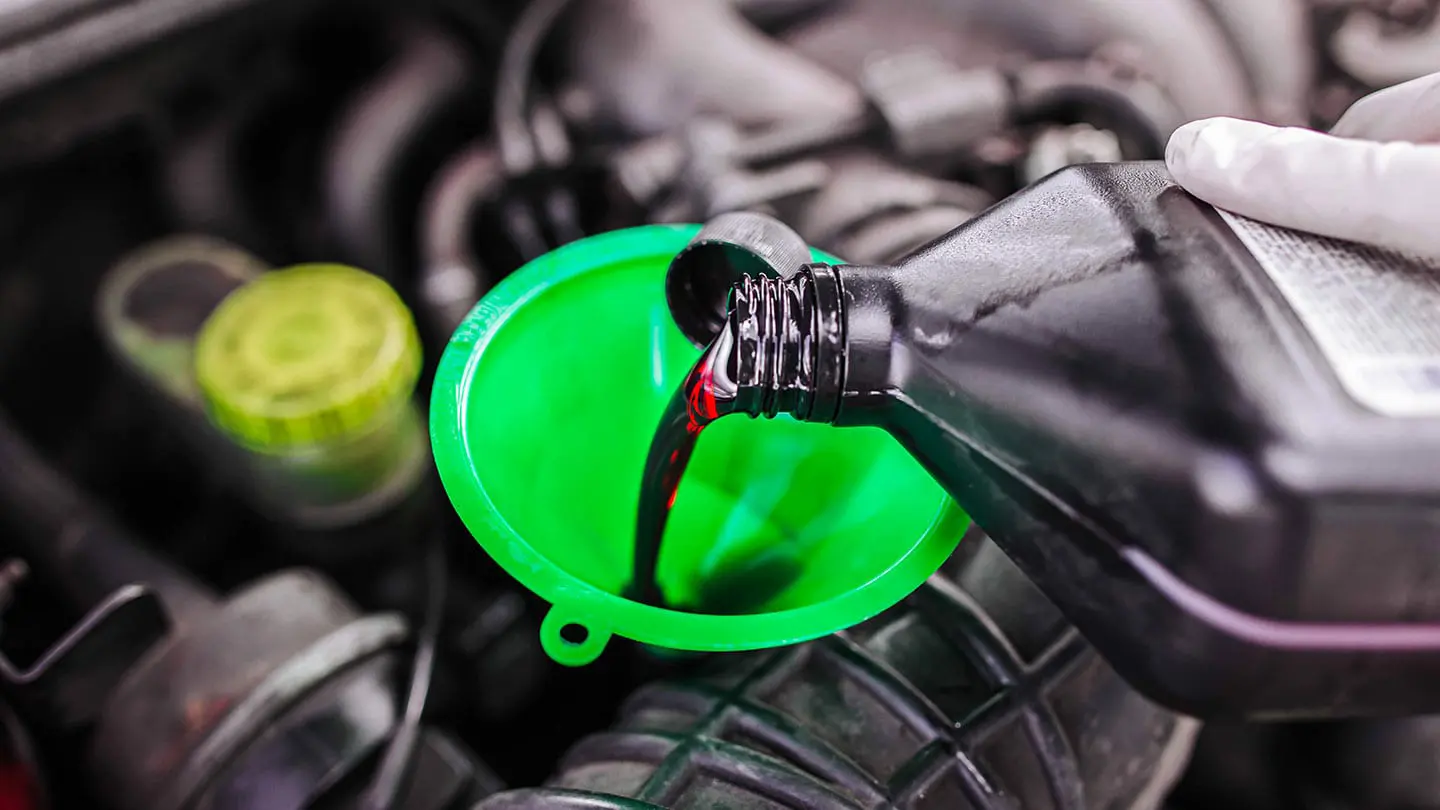
The simplest form of maintenance, for both automatic transmissions and manual transmissions, is checking transmission fluid regularly. Transmission fluid does far more than lubricate; it helps regulate internal temperatures, maintains hydraulic pressure for shifting, and protects internal components from excessive wear. If you have questions about your vehicle’s specific requirements, the technicians at Marshall Transmission near Fairview Heights, IL can provide guidance based on manufacturer recommendations and real service history.
How Often is 'Regularly'?
Assuming you have a new or only moderately old car, that is subject to standard usage; it is recommended that you change your transmission fluid every 30,000 to 50,000 miles. This general range reflects common guidance found in many manufacturer maintenance schedules, though some vehicles may specify longer or shorter intervals depending on transmission design and fluid formulation. This range aligns with guidance commonly found in manufacturer service schedules and widely cited automotive maintenance resources, though exact intervals vary by vehicle design and fluid type.
For the average person, this means changing fluid roughly every two to three years. However, many newer vehicles use “sealed” transmissions that do not have a traditional dipstick and may require professional inspection instead of routine owner checks. In these cases, the absence of a dipstick does not mean the fluid is “lifetime”; it simply means inspection and service require specialized procedures.
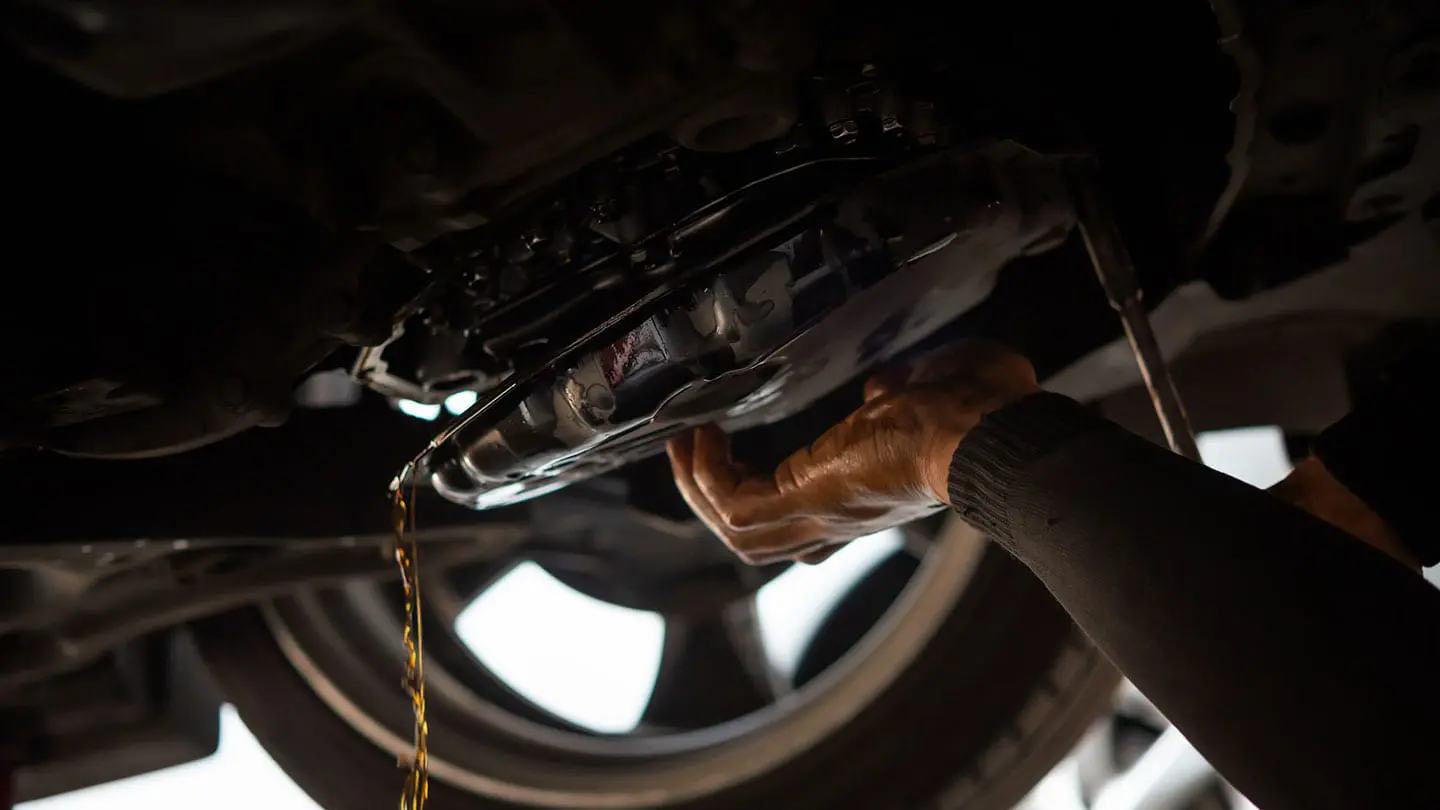
At a bare minimum, you should check your transmission fluid every other year. Preferably, though, you will check it every time you change your oil. Pairing transmission checks with oil changes creates a consistent maintenance rhythm and reduces the chance of overlooking early warning signs. Pairing fluid checks with oil changes helps ensure issues like leaks, discoloration, or burnt odors are caught early rather than after drivability symptoms appear.
Furthermore, if your car is older, is regularly used for heavy-duty activity like towing, or is driven much more than the average car annually, then you should, at a bare minimum, check your transmission fluid every year. Heat is one of the primary contributors to fluid breakdown, and demanding driving conditions increase operating temperatures significantly. Vehicles used for stop-and-go commuting, hauling, or long highway mileage tend to place additional heat stress on transmission fluid, accelerating breakdown.
Is There a Best Time to Schedule a Transmission Fluid Check?
Unless there is a specific reason not to, you should probably have your transmission fluid checked at the same time you get your yearly car inspection. This makes it easy to remember and doesn’t require an additional trip to your auto mechanic. For many drivers, this is the most practical and consistent approach.
There is one reason, though, that you might schedule your transmission fluid check at a different time. In cold weather, like the kind found in winter and fall in Fairview Heights, IL, fluid can look lower than it actually is. Temperature affects fluid expansion and contraction, which can lead to misleading readings if proper procedures are not followed. This false reading of low fluid can result in fluid being added when it isn’t necessary. Cold temperatures cause fluid to contract, which can temporarily alter readings. It is best to avoid this by checking the fluid in warmer months, usually at the same time that you get your oil changed. Following manufacturer-specified temperature and engine-running conditions is critical for accurate measurements.

Can You Check Your Own Transmission Fluid?
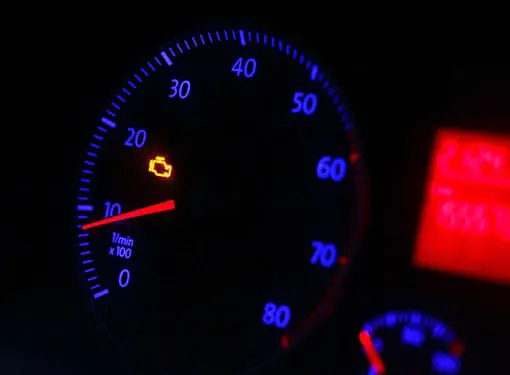
You can, but it is safest to let a transmission specialist do the job. Many modern vehicles require the engine to be running, the transmission to be at operating temperature, and the vehicle to be level for an accurate check. Failing to meet any of these conditions can result in an incorrect reading or improper fluid level. A mistake could be very costly and the cost to check is usually quite low. Additionally, it takes almost an hour to check fluid, which may be time you don’t wish to spend. A professional inspection also evaluates fluid color, odor, debris, and signs of internal wear—details that often indicate developing problems long before performance issues appear. If you notice delayed shifting, slipping gears, warning lights, or fluid leaks, those are signs to schedule an inspection sooner rather than waiting for your next routine check. For vehicle-specific service intervals, drivers should always consult their owner’s manual or trusted automotive sources such as manufacturer maintenance guides and established organizations like AAA or Consumer Reports. These sources provide evidence-based recommendations that account for vehicle design, driving conditions, and long-term reliability.
If your vehicle in Fairview Heights, IL has a sealed system or you’re not sure when the last time your fluid was inspected, a professional evaluation can help establish a maintenance baseline and reduce the risk of unexpected breakdowns. Contact Marshall Transmission to schedule a professional evaluation and get peace of mind before minor issues turn into major repairs.