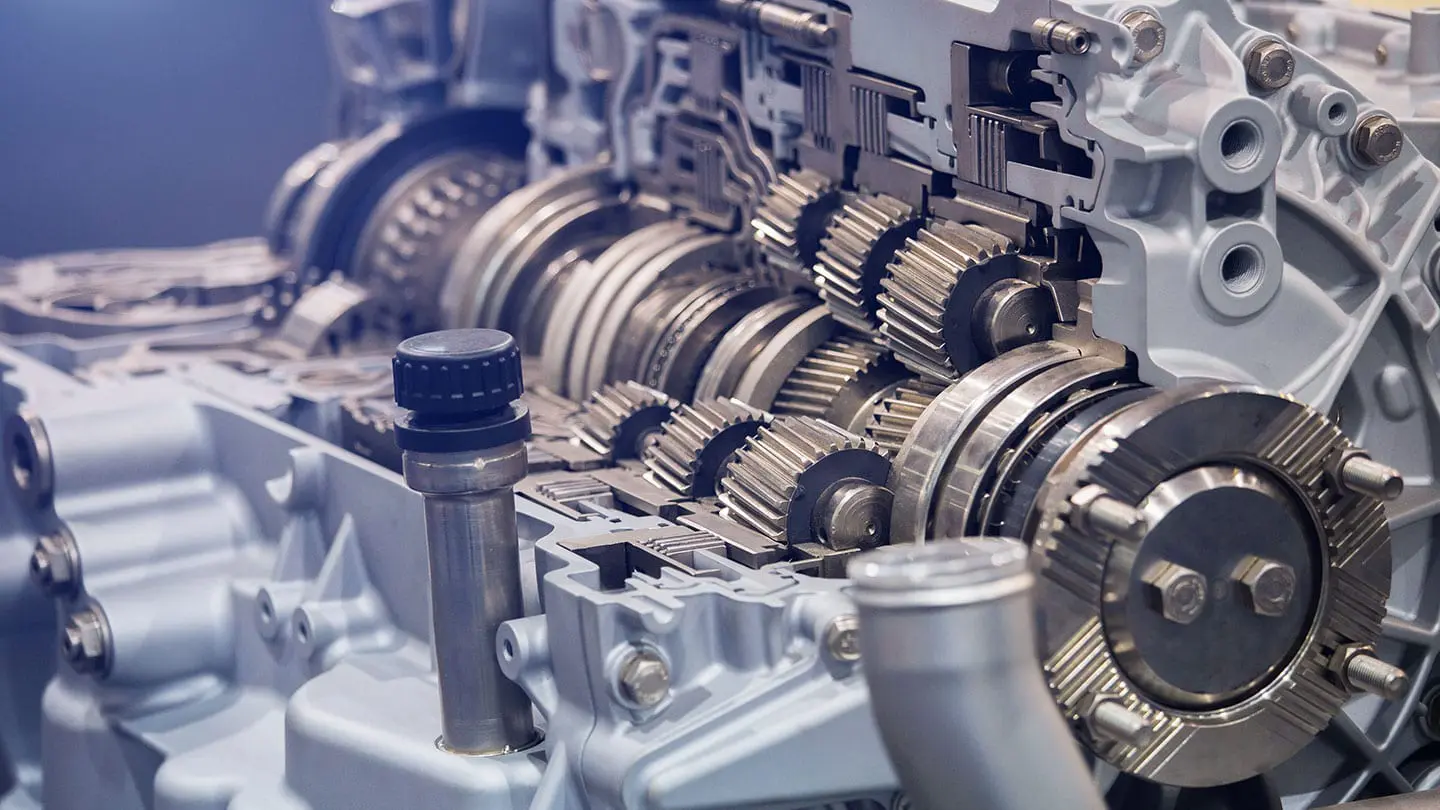
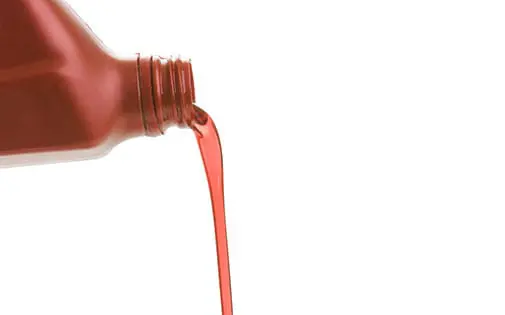
Your vehicle’s transmission plays a critical role in how it drives and performs. It directs power from your engine to the driveshaft, which turns your wheels. Transmission fluid plays a critical role in lubricating internal components, regulating temperature, and maintaining the hydraulic pressure needed for proper shifting. When levels drop, performance suffers and damage can follow. Modern vehicles use more complex electronically controlled transmissions that are especially sensitive to fluid level and condition. Even being one quart low can affect shift timing, fuel efficiency, and long term durability.
Low transmission fluid can lead to poor performance, reduced lifespan, and expensive repairs. In severe cases, it increases your risk of breakdowns while driving in Edwardsville IL traffic. Our transmission specialists help drivers in Edwardsville IL catch small problems before they become major repairs. Today’s automatic and manual transmissions depend on accurate hydraulic pressure and proper lubrication to function smoothly and efficiently. According to the Automatic Transmission Rebuilders Association, fluid breakdown and low levels are among the top contributors to premature transmission failure nationwide. Stop and go driving, hot summer temperatures, and towing all increase stress on your transmission system.
Why Is My Fluid Low?
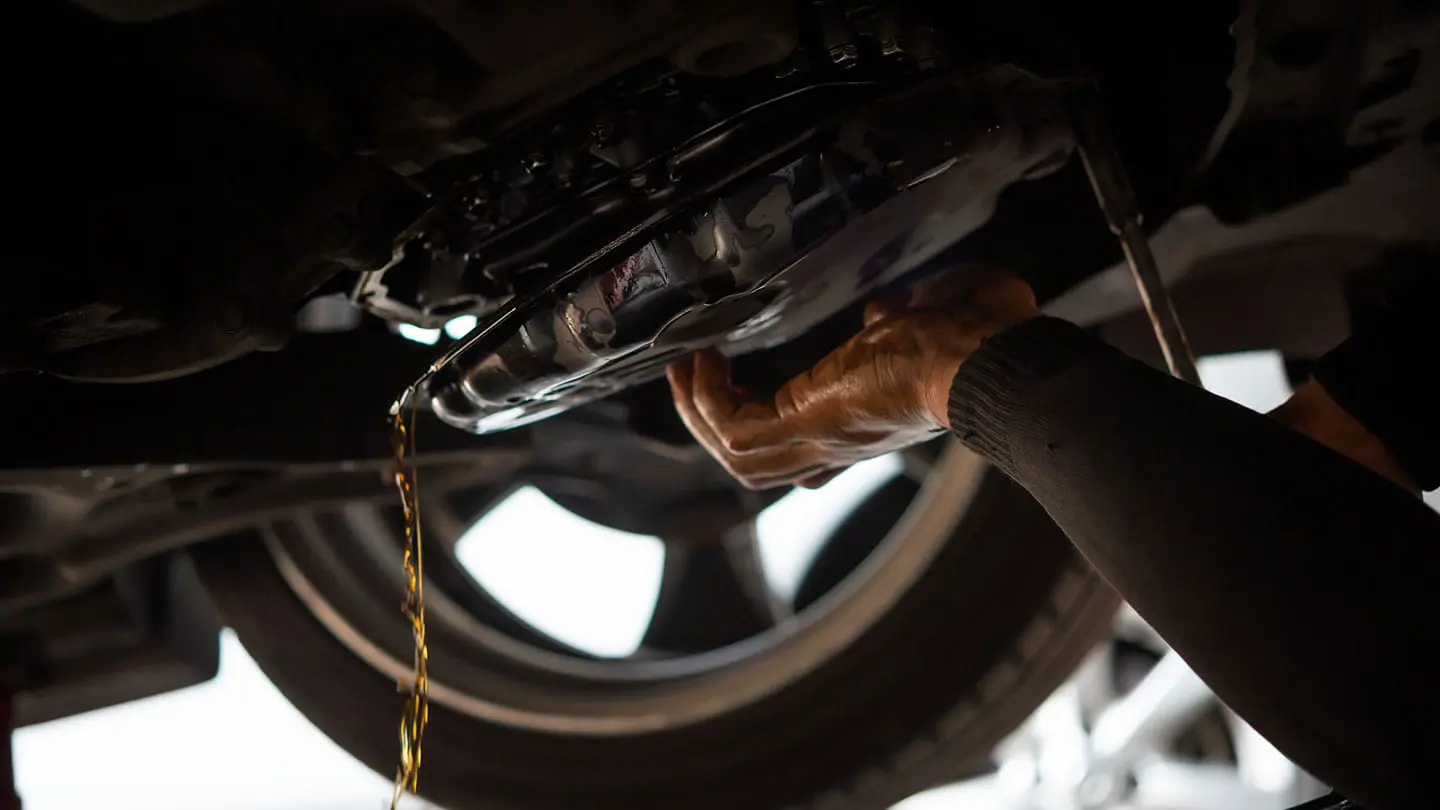
Often, low fluid levels are caused by leaks within the transmission system. Seals, gaskets, and cooler lines can wear out over time. In real world service situations, we frequently find leaks caused by:
• Worn axle seals
• Aging transmission pan gaskets
• Loose or cracked cooler lines
• Corrosion around fittings
• Damaged torque converter seals
Unlike engine oil, transmission fluid is not normally consumed. If your fluid level drops, there is almost always an underlying issue that needs attention.
According to maintenance guidance from AAA, fluid leaks are one of the most common but overlooked vehicle maintenance problems in the United States. Drivers often ignore small red spots on the driveway until shifting problems begin. If you notice red or dark pink fluid under your vehicle in Edwardsville IL, it is time to schedule a professional transmission inspection.
Signs that Fluid is Low
There are several warning signs that your fluid level may be low. Addressing these issues early can prevent costly repairs and potentially save you thousands in major transmission damage.
Transmission Gear Slippage: If your transmission is low on fluid, it will lack the hydraulic power needed to shift properly and maintain gear position. Drivers may notice the engine revving without a corresponding increase in speed, delayed engagement when shifting into drive or reverse, or unexpected gear changes while driving. Many Edwardsville IL drivers describe this as the vehicle feeling like it hesitates before catching the gear. Even occasional slipping is a warning sign that fluid levels or pressure may already be compromised.
Non Operation: If the fluid level drops too low, your transmission may fail to operate at all. No matter which gear is selected, the vehicle may behave as if it is stuck in neutral. This typically indicates critically low fluid levels or a significant leak, and continuing to attempt driving can cause severe internal damage to clutches and bands. Immediate inspection is strongly recommended.
Slow Shifts: Transmission fluid provides the force necessary for quick and smooth gear changes. When levels are low, shifts may feel sluggish, rough, or delayed. Hard or inconsistent shifting is frequently referenced in manufacturer service guidelines as a sign of reduced hydraulic pressure. In newer electronically controlled transmissions, low fluid pressure can also trigger dashboard warning lights or place the vehicle into protective mode to prevent further damage.
Increased Operating Temperature: Just as your engine depends on motor oil to control heat and reduce friction, your transmission relies on fluid to maintain safe operating temperatures. When fluid levels drop, friction increases and heat builds up rapidly. Heat is one of the leading causes of transmission failure nationwide, as excessive temperatures break down fluid additives and accelerate wear on internal seals and clutch packs. During warmer months in Edwardsville IL, this process can happen even faster.
How to Check Transmission Fluid Safely
Some vehicles allow drivers to check transmission fluid using a dipstick. Others use sealed systems that require professional inspection.
Basic steps for dipstick equipped vehicles include:
• Park on level ground
• Warm the engine to operating temperature
• Shift through all gears
• Check the fluid while the engine is running
Healthy fluid should appear red or pink and smell neutral. Dark brown fluid with a burnt smell may indicate overheating or contamination. Because procedures vary by manufacturer, professional inspection is often the safest choice. If you are unsure, our team can quickly evaluate fluid level and condition.
You can also learn more about preventive care on our
• [Transmission Maintenance Services Page]
• [Automatic Transmission Repair Page]
• [Manual Transmission Repair Page]
Prevention Tips to Protect Your Transmission
Preventive maintenance is significantly less expensive than a full transmission rebuild. Here are practical steps drivers in Edwardsville IL can take:
• Schedule regular transmission fluid inspections
• Repair leaks immediately
• Avoid aggressive acceleration
• Do not ignore warning lights
• Follow manufacturer service intervals
A leak caught early often cost under a few hundred dollars, while full transmission replacements can exceed several thousand dollars.
Do Not Ignore Low Transmission Fluid
Low transmission fluid is not a minor inconvenience. It is a warning sign. Left unresolved, it can lead to:
• Overheating
• Internal component wear
• Complete transmission failure
• Expensive repairs
If you are noticing slipping, rough shifting, or fluid spots under your vehicle in Edwardsville IL, now is the time to act. Our experienced technicians specialize in automatic and manual transmission diagnostics and repair. We use advanced diagnostic equipment to pinpoint fluid leaks, pressure issues, and internal wear before they escalate.
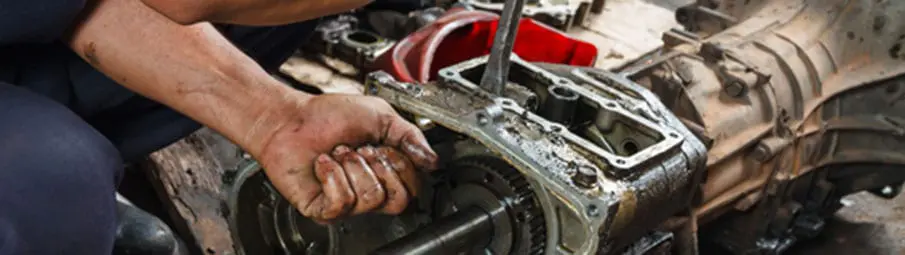
Protect your vehicle, your safety, and your wallet. Call now to book a professional transmission fluid inspection in Edwardsville IL. Whether you need transmission leak repair, fluid service, or full transmission diagnostics, our team at Marshall’s Transmission is ready to help. Drive confidently knowing your transmission is in expert hands.