Here’s What Type of Drive System That You Should Have for Your Vehicle
When it comes to buying a new vehicle, there are a lot of factors to consider. From the price to all the different options and specifications, you’ve really got to know your stuff to ensure you get the right car for your needs. One thing that many people may not be as focused on is the drive systems. This means does the car drive with 2 wheels 4 wheels or all wheels? Many people wouldn’t be able to tell the difference between them, but it has major implications on the vehicle you ultimately end up buying.
In our experience working with Swansea, IL drivers, the drive system choice often becomes important after the purchase—when winter weather hits, a gravel road is involved, or towing becomes part of daily life. With that in mind, here’s a quick guide to what they are, how they work, and which one is best for you!

2WD
This type of drive system is in vehicles that many of us have. It simply means only two wheels are driving at the same time. Two-wheel drive vehicles are good for moderate climates where there’s not a lot of snow and slick weather. There are two types of setups, front-wheel drive and rear-wheel drive, and it depends on the type of performance you want for your vehicle. Generally speaking, the front-wheel drive provides better handling and fuel economy while the rear-wheel drive is better for performance purposes.
From a practical standpoint, 2WD vehicles are typically less complex mechanically, which often means lower maintenance costs and fewer drivetrain-related repairs over time. According to consumer guidance from organizations like the National Highway Traffic Safety Administration (NHTSA), front-wheel-drive vehicles also tend to perform predictably on wet pavement because the engine’s weight sits over the driven wheels. For most daily commuters in Swansea who primarily drive paved roads and highways, 2WD remains a reliable and cost-effective option.
4WD
A four-wheel-drive vehicle has the ability for all four wheels to be driving at one time. However, that doesn’t mean they always are. Most four-wheel vehicles only drive with two-wheels until the four-wheel drive is engaged. These vehicles are great for rocky terrain and areas that have lots of steep hills. These drive systems are also good for adventurers that may go off-road every now and then.
Unlike AWD systems, traditional 4WD setups usually require the driver to manually engage four-wheel drive. This design is intentional—4WD systems are built for low-traction situations such as deep snow, mud, or uneven terrain rather than everyday dry pavement. Automotive experts, including guidance published by AAA, consistently note that using 4WD on dry roads can cause unnecessary drivetrain strain. That’s why 4WD is best suited for drivers who truly need it—such as those hauling trailers, navigating rural properties, or frequently driving in unplowed winter conditions.
AWD
All-wheel-drive is commonly confused with four-wheel drive, but it’s slightly different. In this drive system, sensors throughout the vehicle tell your vehicle where the power from the engine should go. This provides improved handling in adverse conditions with a lesser chance of losing control due to slick conditions.
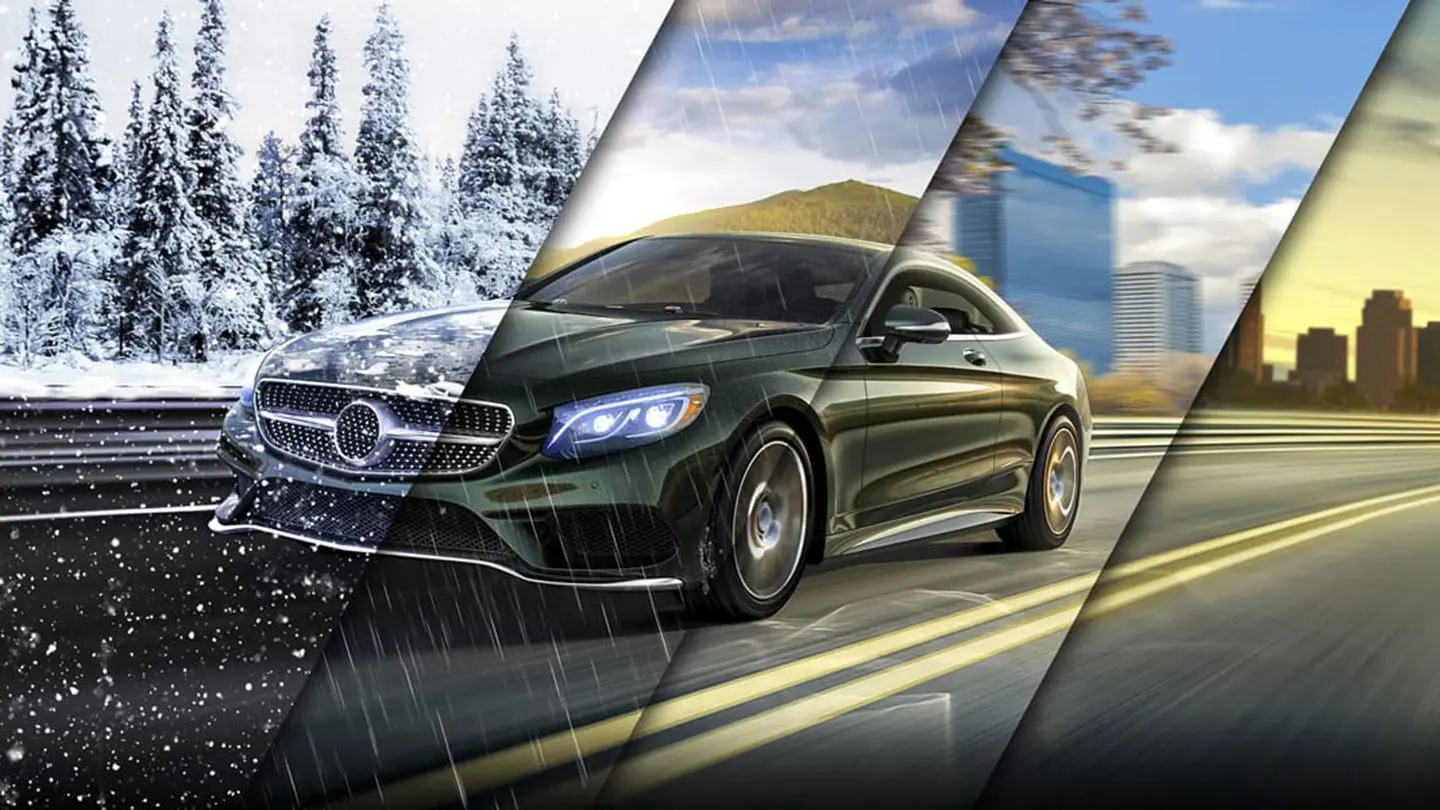
AWD systems continuously monitor wheel speed, traction loss, and road conditions, automatically adjusting power distribution without driver input. This makes AWD especially popular in crossovers and SUVs designed for year-round driving rather than off-road use. For Swansea-area drivers, AWD can provide added confidence during rain, ice, or light snow—but it’s important to understand that AWD improves traction, not braking. Even vehicles equipped with AWD still rely on proper tires and safe driving habits to stop effectively.
Which is for you?
This is really about where you live and what you like to do. If you go places where you’ll need to climb hills or cross terrain, AWD or 4WD is your best bet. For temperature climates and mostly city drivers, 2WD should do. However, it’s all about you and what you want, so be sure to choose the drive system that best suits your lifestyle! If you’re unsure which drive system best matches your driving habits, a trusted local auto professional can help evaluate your needs based on real-world conditions—not just marketing claims.
Need help understanding how your current drivetrain works or whether it’s being maintained properly? Contact Marshall’s Transmission Services near Swansea, IL to schedule an inspection or ask questions before small issues become expensive repairs.