
If you drive an all-wheel-drive (AWD) or four-wheel-drive (4WD) vehicle, you probably appreciate the superior grip and stability these systems provide—whether you’re tackling rough terrain, snowy roads, or wet highways. But behind that dependable traction is an often-overlooked component: the differential system. This critical part of your drivetrain works hard every time you drive, and neglecting it can lead to costly repairs and even safety hazards in Sparta, IL. Here’s why giving your differential some attention should be a top priority.
Understanding the Differential’s Role
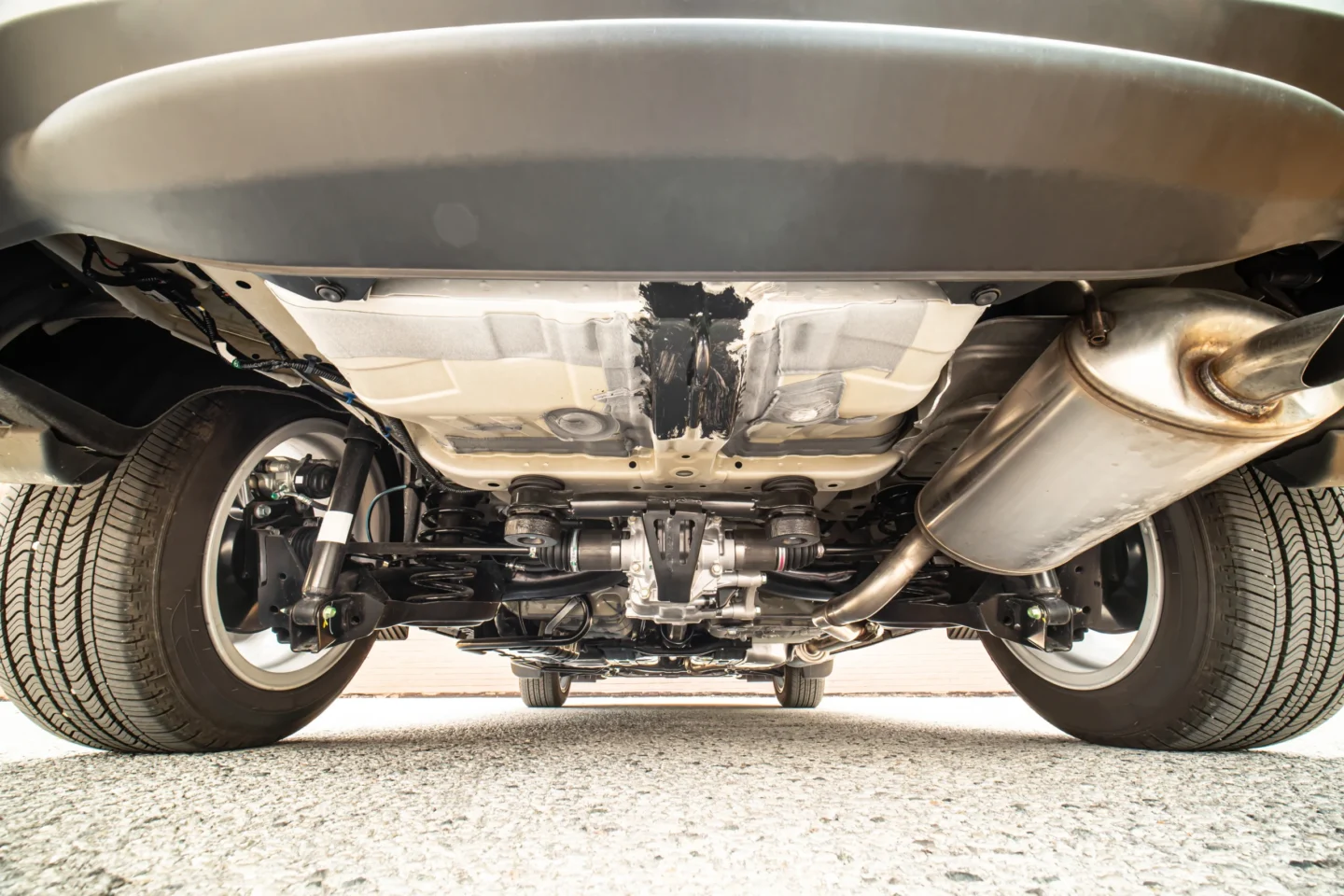
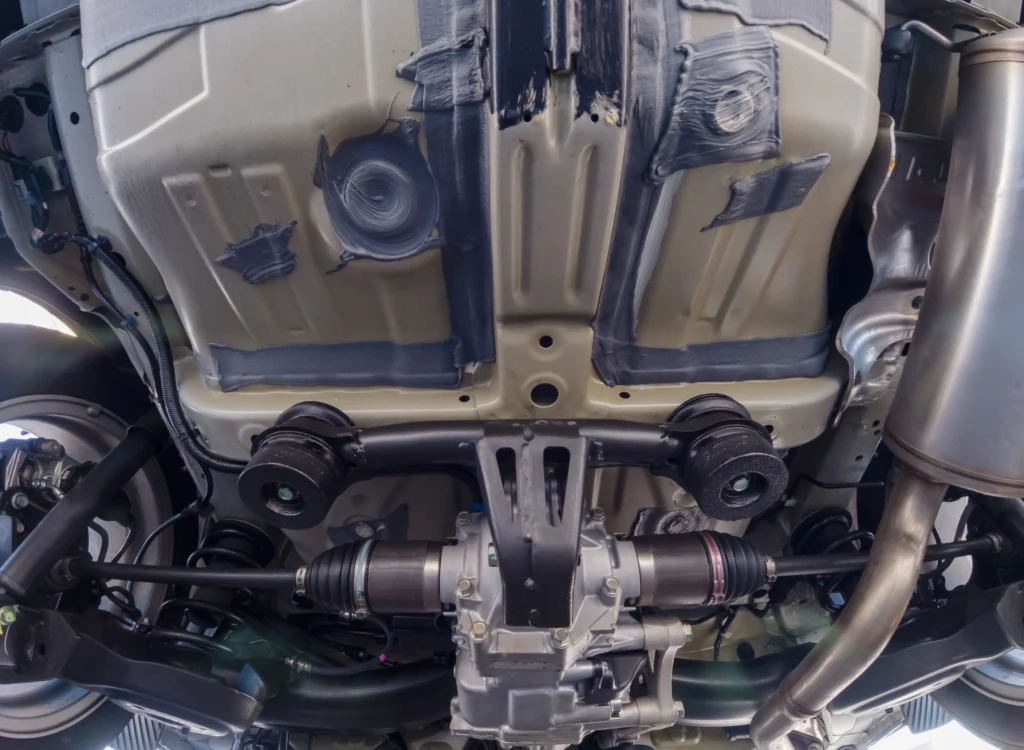
he differential allows your wheels to rotate at different speeds—a function that’s crucial for smooth, controlled turns. In AWD systems, it works alongside a center differential or transfer case to split power between the front and rear wheels. In 4WD setups, separate differentials control torque across all four tires to maximize traction. Because of the constant mechanical stress, the differential faces more strain in AWD and 4WD vehicles, especially during towing, off-road use, or driving in icy or muddy conditions. This means regular maintenance is even more important for these systems compared to standard two-wheel-drive vehicles.
Why Routine Checks Matter
Your differential contains a heavy-duty gear oil formulated to lubricate and shield its internal gears. Over time, heat, friction, and contamination from tiny metal particles or moisture break down the oil’s protective qualities. When that happens, the gears can wear prematurely, causing grinding, vibrations, or even total failure. A compromised differential doesn’t just hurt performance—it can throw off the power distribution between axles, making your vehicle harder to control. Routine inspections allow you to catch early warning signs, such as low or dirty fluid, before they turn into major problems.
Signs Your Differential Needs Attention
You don’t have to be a mechanic in Sparta, IL to spot trouble. Keep an ear out for a whining or grinding noise when you accelerate, decelerate, or turn. Vibrations felt through the floor at higher speeds can also indicate a failing differential. If your vehicle struggles to turn smoothly or your tires show uneven wear, it could mean power isn’t being delivered evenly to all wheels. If you notice any of these symptoms, it’s best to have a professional inspect your differential before the damage worsens.
Maintenance Tips for Longevity
Follow your manufacturer’s recommended service intervals—often between 30,000 and 60,000 miles for fluid changes. If you regularly haul heavy loads, go off-road, or drive in harsh weather, you may need to service it sooner. Always use the correct type of gear oil specified for your vehicle, as AWD and 4WD systems often require specialized formulations. While checking fluid levels can be a DIY task for some, a certified technician can perform a full inspection, looking for worn seals, damaged bearings, or leaks that could lead to bigger issues.
Give Marshall’s Transmission Service a call today for more information on your vehicle’s differential system in Sparta, IL.