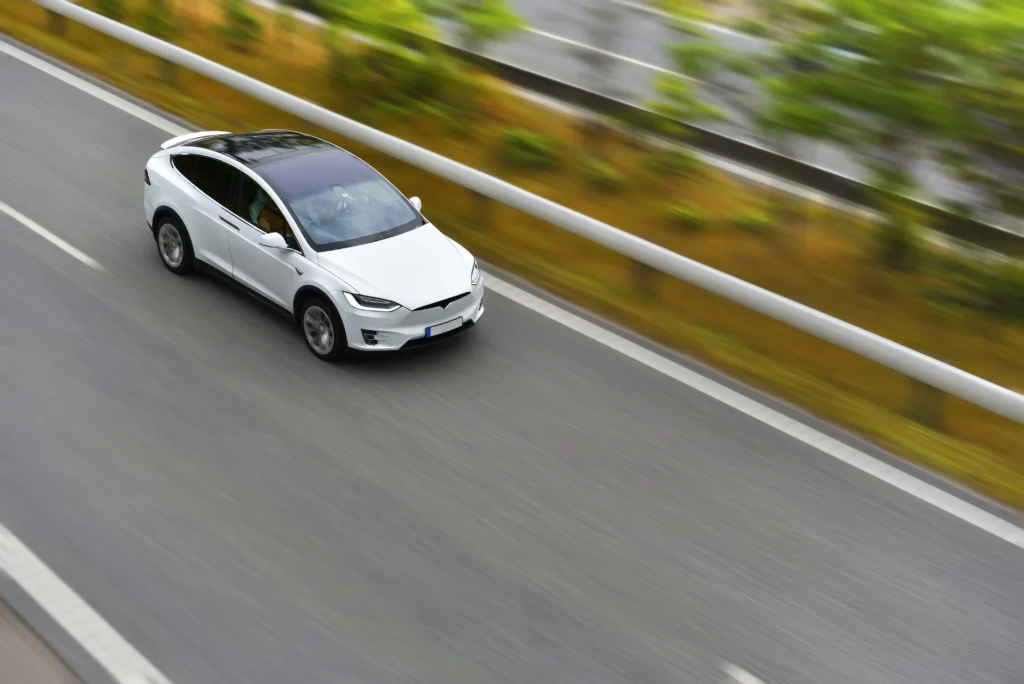
When it comes to electric vehicles (EVs), one question comes up often: Do they have transmissions? Some say EVs have “single-speed transmissions,” while others insist they have “no transmissions” at all. The truth is, EVs don’t use traditional transmissions like gas-powered cars. It all comes down to the way EVs are designed to send power to the wheels in Maryville, IL.
What Exactly Is a Transmission?
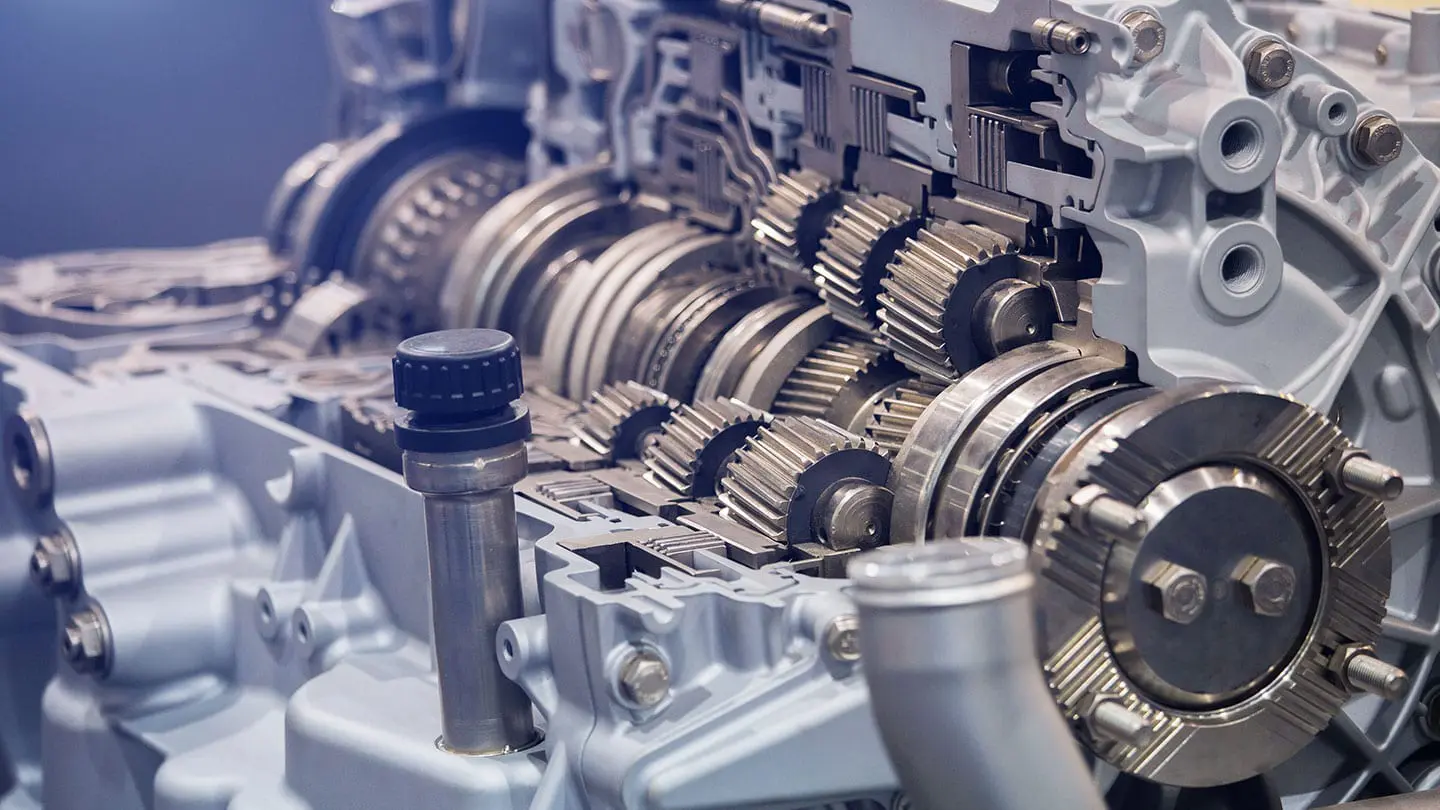
In gas-powered vehicles, the transmission’s job is to transfer power from the engine to the wheels using a system of gears.
- Automatic transmissions rely on a planetary gearset—featuring a sun gear, internal gear, and planetary pinion carrier—to adjust gear ratios automatically.
- Manual transmissions use a parallel shaft of rotating gears that multiply engine torque, giving the driver direct control over shifts.
These systems are crucial for internal combustion engines, which need multiple gears to build up torque and operate efficiently at varying speeds.
How an EV Powertrain Works
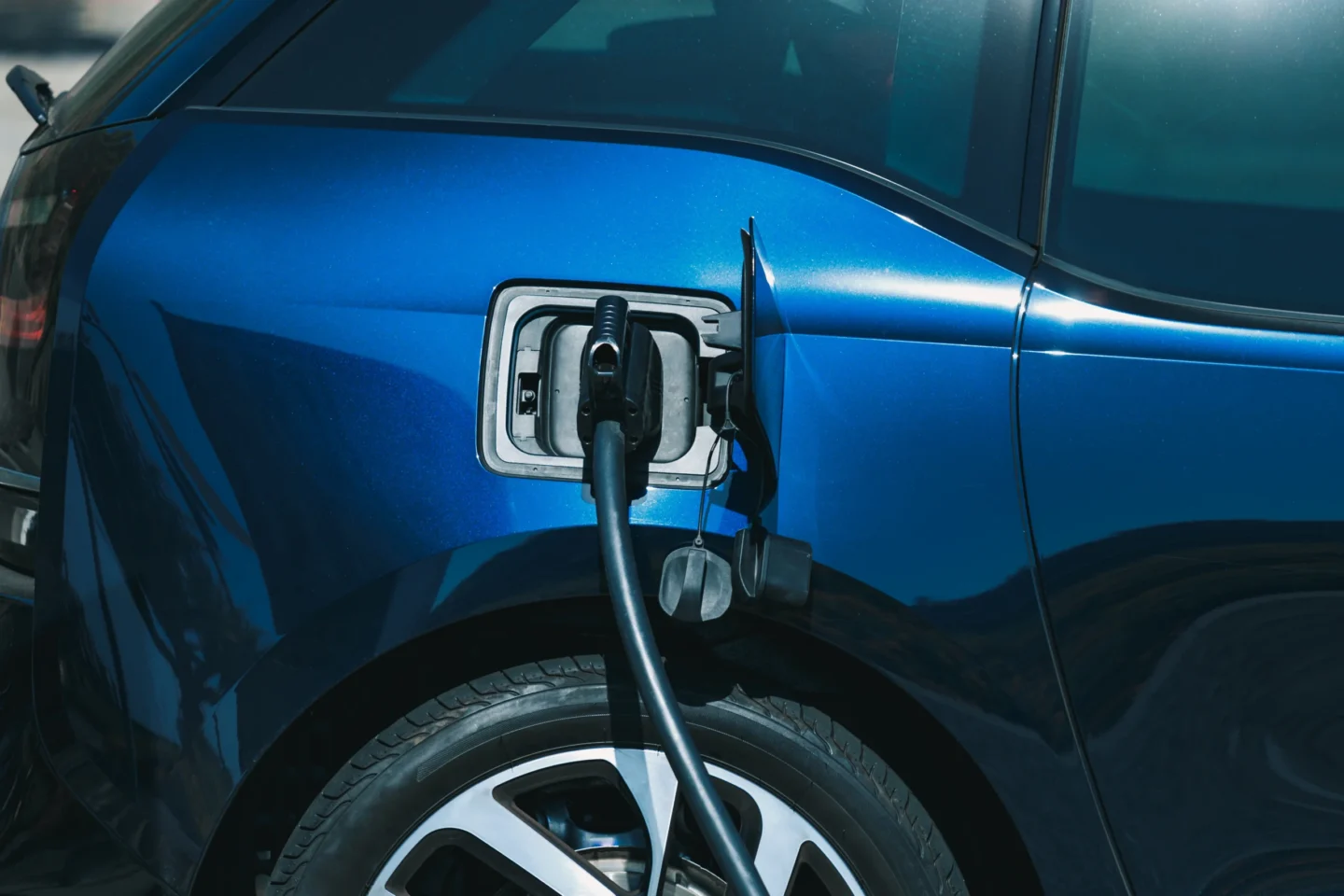
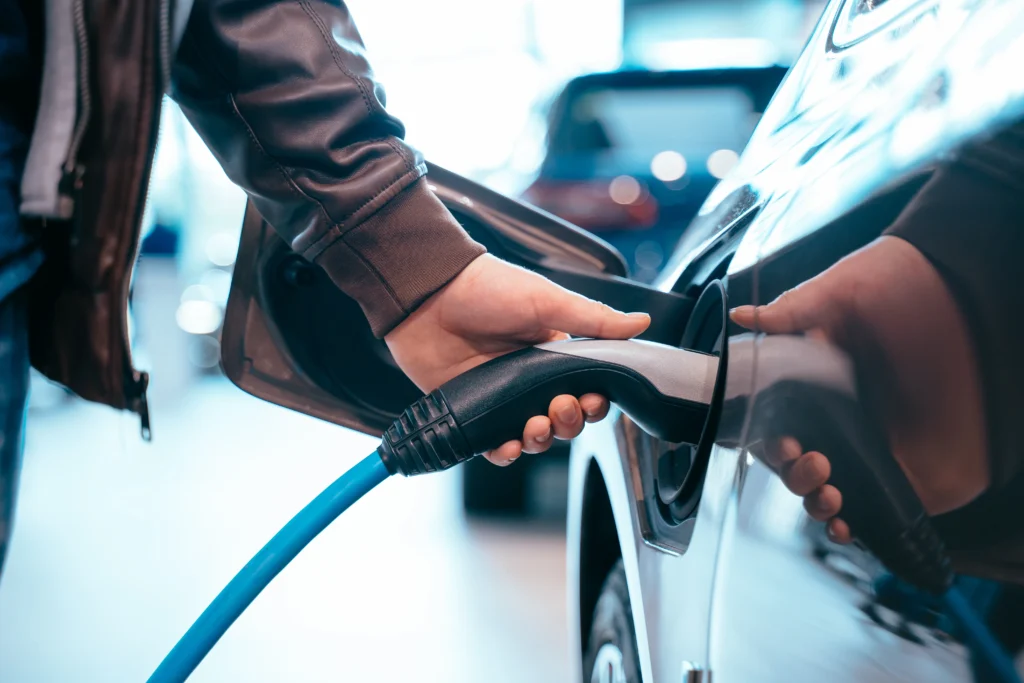
Instead of an internal combustion engine, EVs are powered by high-voltage (HV) batteries that can be recharged using an external charger. They also have a smaller 12-volt battery for the vehicle’s low-voltage electronics. A DC/DC converter reduces the HV battery’s voltage to a level the 12-volt system can use, and an inverter converts the battery’s DC electricity into AC power for the electric motor. The electric motor then transforms electrical energy into rotational force, which directly drives the wheels. Because electric motors can produce consistent torque instantly at any RPM, they don’t require multiple gear ratios to manage power delivery. While most EVs use a single motor, some all-wheel-drive versions come equipped with two—one powering each axle.
Can EVs Have More Than One Gear?
While most electric vehicles rely on a single-speed drive unit, some high-performance models use multiple gears to enhance driving dynamics. For example, the Porsche Taycan and Audi e-tron GT have two-speed gearboxes that help deliver extra torque at launch and improved efficiency at higher speeds. These systems offer performance benefits, but they’re generally more expensive to maintain than single-gear setups in Maryville, IL.
Why Transmissions Aren’t Necessary for Most EVs
Electric motors have a much wider powerband than gasoline engines, meaning they can operate efficiently across a broad range of speeds without shifting gears. This makes single-speed drive units a practical choice for most EVs. From a manufacturing perspective, eliminating a complex multi-speed transmission also reduces production costs, which can help keep vehicle prices more competitive. That simplicity translates into fewer parts to service over the life of the vehicle. Lower maintenance is another major advantage. With fewer moving parts, no oil changes, and no transmission fluid to replace, EV owners can expect fewer routine service visits.
Contact Marshall’s Transmission Services today for vehicle transmission services near Maryville, IL.