The Importance on Transmission Fluid for Edwardsville, IL Vehicles
Cars with automatic transmissions are pretty easy to drive, but they have to be kept running smoothly with periodic replacements of transmission fluid. Surprisingly few people know just what this fluid does or why it has to be changed, given how common automatics have gotten in the last half-century, relative to manual transmissions. Understanding this necessary part of transmission service can help you keep your car up and running and in good shape. For drivers in Edwardsville, IL, transmission fluid maintenance is especially important due to seasonal temperature swings that can accelerate fluid breakdown. Heat, stop-and-go traffic, towing, and short trips all place additional stress on modern automatic transmissions, making proper fluid condition critical to long-term reliability.
What Does the Transmission Do In a Car?
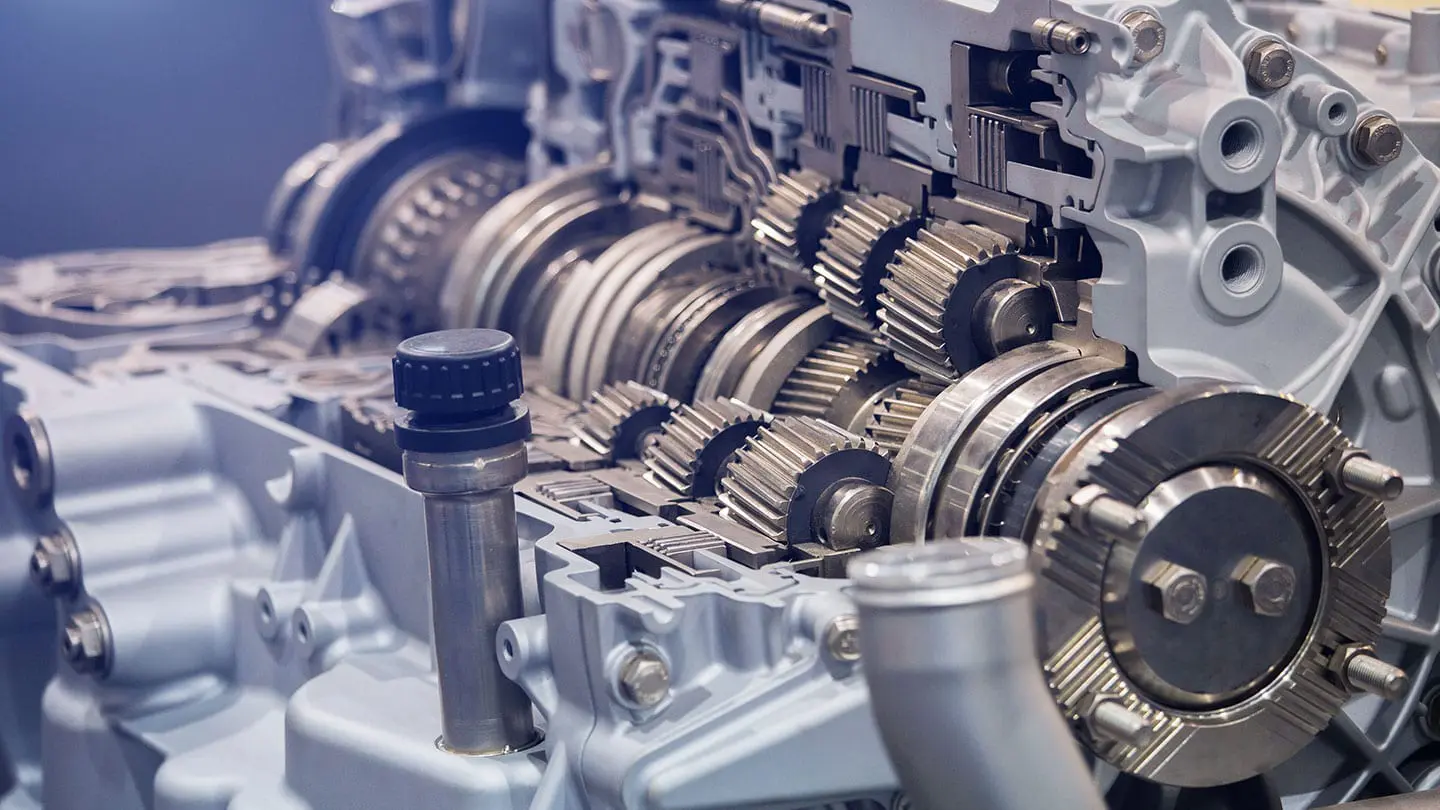
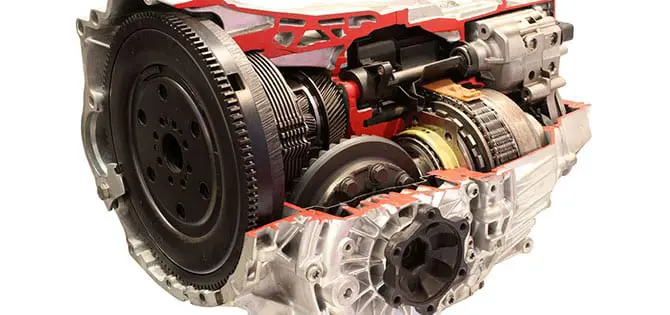
No matter which transmission shop you favor in Edwardsville, IL, you’ve probably heard the transmission specialist talking about gears and linkages and the like, and you’ve wondered what all that means. To understand transmissions, it helps to think about how your engine works. Briefly, the gasoline you put in your tank burns in the engine’s cylinders, where little explosions drive a spinning shaft. That rotary motion is what turns the wheels, but it’s usually not pointed the right way to just plug into the axles. The transmission transmits the rotation from that shaft to the tires via a system of gears almost exactly like the gears on a 10-speed bike. In automatic transmissions, this process relies not only on mechanical gears, but also on hydraulic pressure. Transmission fluid plays a direct role in engaging clutches, controlling gear changes, and ensuring smooth power transfer—making it far more than just a lubricant.
Keeping Fluid Fresh
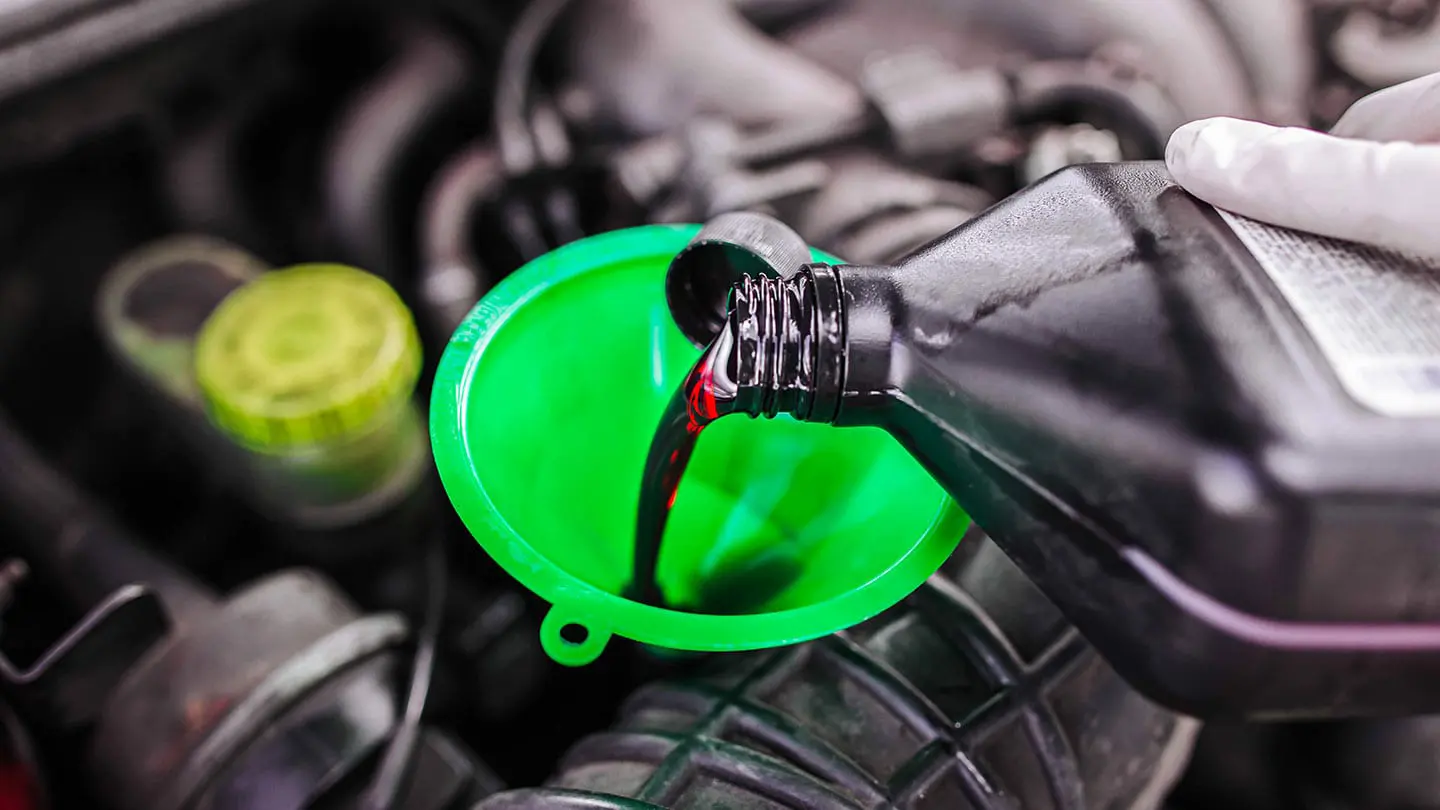
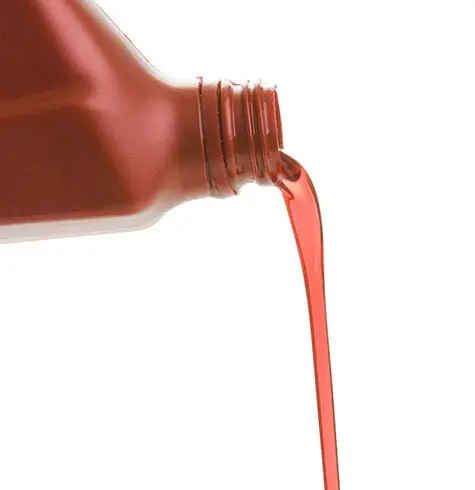
Transmission fluid comes into the picture when you realize that’s an awfully complicated piece of machinery, and that it has to be kept cool and well-oiled. Actual oil is not good for this, because of various very complicated reasons, and so special fluid is poured into the casing to keep things moving. Keeping fresh, freely flowing fluid in your transmission reduces friction between the moving gears, which helps keep down the heat and prevent seizing and fires. It also prevents the gears from grinding too hard on each other and breaking their teeth. This obviously keeps down the cost of regular transmission repair. The fluid also acts as a coolant by convecting away the waste heat that you always have in places where metal rubs against metal. Finally, a full load of transmission fluid also serves as a medium that conveys force and pressure to the moving parts, so they can interact with each other in a way that keeps contact down and prevents damage.
As transmission fluid ages, it loses its ability to lubricate and regulate temperature effectively. Heat causes fluid oxidation, while normal wear introduces microscopic metal particles that can interfere with valves and passages inside the transmission. According to vehicle manufacturers and automotive service guidelines, degraded fluid is one of the leading contributors to delayed shifting, slipping gears, and premature transmission failure. Modern transmissions are engineered with tight tolerances, meaning even slight fluid breakdown can impact performance. This is why many automakers specify fluid service intervals based not just on mileage, but also on driving conditions—such as frequent city driving, hauling, or extended idling. Keeping the fluids fresh in your car’s transmission is as important to staying safe on the road as it is to keeping repair costs low. If your car has gone more than 30-60,000 miles without a fluid change, stop by Marshall’s Transmission Service and have your levels checked to be safe.
If you’re unsure when your transmission fluid was last serviced, a professional inspection can confirm fluid condition, identify early warning signs, and help you avoid costly repairs down the road. Local shops near Edwardsville, IL like Marshall’s Transmission Service can also verify whether your vehicle uses conventional, synthetic, or manufacturer-specific transmission fluid—each of which requires different service considerations.